Best SOCKS5 Proxies for Web Scraping in 2026
Learn why SOCKS5 proxies are the top choice for web scraping in 2026. Covers rotating proxies, rate limit avoidance, Python code examples, and where to find reliable SOCKS5 lists.
Best SOCKS5 Proxies for Web Scraping in 2026
Web scraping at scale requires proxies. Without them, your IP address gets flagged, rate-limited, and eventually banned. While HTTP proxies have their place, SOCKS5 proxies are the preferred choice for serious scraping operations in 2026. This guide explains why, shows you how to implement proxy rotation in Python, and covers the best strategies for staying under the radar.
Why SOCKS5 Is Superior for Web Scraping
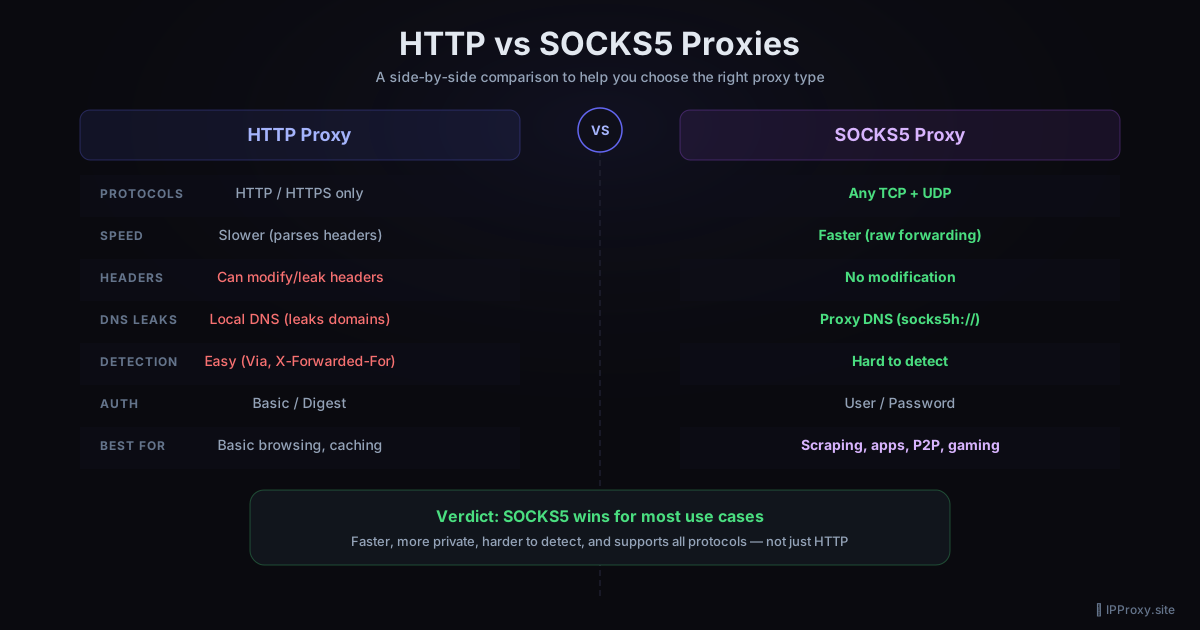
SOCKS5 proxies offer several advantages over HTTP proxies when it comes to scraping:
Protocol Agnosticism
HTTP proxies only handle HTTP and HTTPS traffic. SOCKS5 proxies forward any type of TCP (and optionally UDP) traffic without inspecting the payload. This means you can scrape websites, APIs, WebSocket endpoints, and even custom protocols through the same proxy.
No Header Modification
HTTP proxies often add or modify headers like Via and X-Forwarded-For, which reveal to the target server that a proxy is in use. SOCKS5 proxies do not touch your headers. The target server sees a clean request that looks like it came directly from the proxy IP.
Better Performance
Because SOCKS5 proxies do not parse HTTP traffic, they introduce less overhead. For high-volume scraping where every millisecond of latency adds up across thousands of requests, this difference is meaningful.
Authentication Support
SOCKS5 includes built-in username/password authentication. This is more secure than IP-based whitelisting and makes it easy to manage access across distributed scraping infrastructure.
Setting Up SOCKS5 Proxies in Python
Here is a practical example using Python's requests library with SOCKS5 support via PySocks:
import requests

proxies = {
    "http": "socks5h://user:pass@proxy-ip:1080",
    "https": "socks5h://user:pass@proxy-ip:1080"
}

response = requests.get("https://httpbin.org/ip", proxies=proxies, timeout=10)
print(response.json())
Note the socks5h:// prefix. The h tells the library to resolve DNS through the proxy, preventing DNS leaks that could expose your real location. This is critical for anonymity — see our guide on how proxies change your IP for more on DNS leaks.
Rotating Proxies with a Proxy Pool
Single-proxy scraping gets you banned fast. Here is how to rotate through a list of SOCKS5 proxies:
import requests
import random

proxy_list = [
    "socks5h://proxy1-ip:1080",
    "socks5h://proxy2-ip:1080",
    "socks5h://proxy3-ip:1080",
    "socks5h://proxy4-ip:1080",
]

def get_with_rotation(url, max_retries=3):
    for attempt in range(max_retries):
        proxy = random.choice(proxy_list)
        try:
            response = requests.get(
                url,
                proxies={"http": proxy, "https": proxy},
                timeout=10
            )
            return response
        except requests.exceptions.RequestException:
            continue
    return None

result = get_with_rotation("https://example.com/data")
This pattern selects a random proxy for each request and retries with a different one on failure. For production scraping, you would want to add proxy health tracking, remove dead proxies from the pool, and implement exponential backoff.
You can get a fresh list of SOCKS5 proxies from our download page and convert them to any format using the Proxy Converter.
Avoiding Rate Limits and Bans
Proxies alone are not enough. Target websites use sophisticated detection methods. Here are the key strategies to combine with your SOCKS5 proxies:
1. Request Throttling
Space your requests out. A human does not load 100 pages per second. Add random delays between 1 and 5 seconds to mimic natural browsing patterns.
import time
import random

time.sleep(random.uniform(1.0, 4.0))
2. Header Rotation
Rotate your User-Agent strings and include realistic headers like Accept, Accept-Language, and Referer. A bare request with only a URL and no headers is an obvious bot signal.
3. Session Management
Some sites track sessions via cookies. Create a new session for each proxy to avoid cross-contamination:
session = requests.Session()
session.proxies = {"http": proxy, "https": proxy}
session.headers.update({"User-Agent": random_ua()})
4. Fingerprint Diversity
If you are using headless browsers for JavaScript-rendered pages, ensure your browser fingerprint varies. Tools like Playwright and Puppeteer can be configured with different viewport sizes, timezones, and WebGL renderers.
5. Respect robots.txt
Ethical scraping means checking robots.txt and honoring crawl delays. Ignoring these signals is a fast path to IP bans and potential legal issues.
Free vs Paid SOCKS5 Proxies
The choice between free and paid proxies depends on your scale and requirements.
Free SOCKS5 proxies work for small-scale scraping, testing, and learning. The tradeoff is that they are shared, slower, and less reliable. Most die within hours. Our free proxy list guide covers the best sources and how to validate them.
Paid SOCKS5 proxies offer dedicated or semi-dedicated IPs, better uptime, faster speeds, and customer support. For production scraping that needs to run reliably every day, paid proxies are the way to go.
Residential SOCKS5 proxies are the premium tier. These route traffic through real residential IP addresses, making detection nearly impossible. They are more expensive but essential for scraping sites with aggressive anti-bot measures.
Proxy Validation for Scraping
Before feeding proxies into your scraper, validate them. A dead proxy means a failed request, which wastes time and can trigger rate limits on your working proxies as they handle retries.
Use the Proxy Checker on ipproxy.site to:
- Verify SOCKS5 connectivity and authentication
- Measure response time to your target geography
- Confirm anonymity level (elite proxies are preferred for scraping)
- Detect DNS leaks that could expose your identity
Build validation into your scraping pipeline. Check proxies before each scraping session and remove any that fail.
Scaling Your Scraping Infrastructure
As your scraping needs grow, consider these architectural patterns:
- Proxy manager: Use a central service that manages your proxy pool, tracks health, and distributes proxies to scraper workers.
- Geographic targeting: Some data is region-specific. Use proxies from the target country to get localized results.
- Concurrent workers: Run multiple scraper instances in parallel, each with its own proxy, to maximize throughput.
- Error handling: Implement circuit breakers that temporarily remove failing proxies and reintroduce them after a cooldown period.
Conclusion
SOCKS5 proxies are the backbone of reliable web scraping in 2026. Their protocol flexibility, clean header handling, and performance advantages make them the clear choice over HTTP proxies for scraping workloads. Combine them with smart rotation, realistic request patterns, and thorough validation for best results.
Get started with a validated SOCKS5 proxy list from ipproxy.site's download page, and verify your setup with our Proxy Checker.
Related Guides
Get a Fresh, Tested Proxy Right Now
Every proxy is validated every 30 minutes. 1644 working proxies available right now.